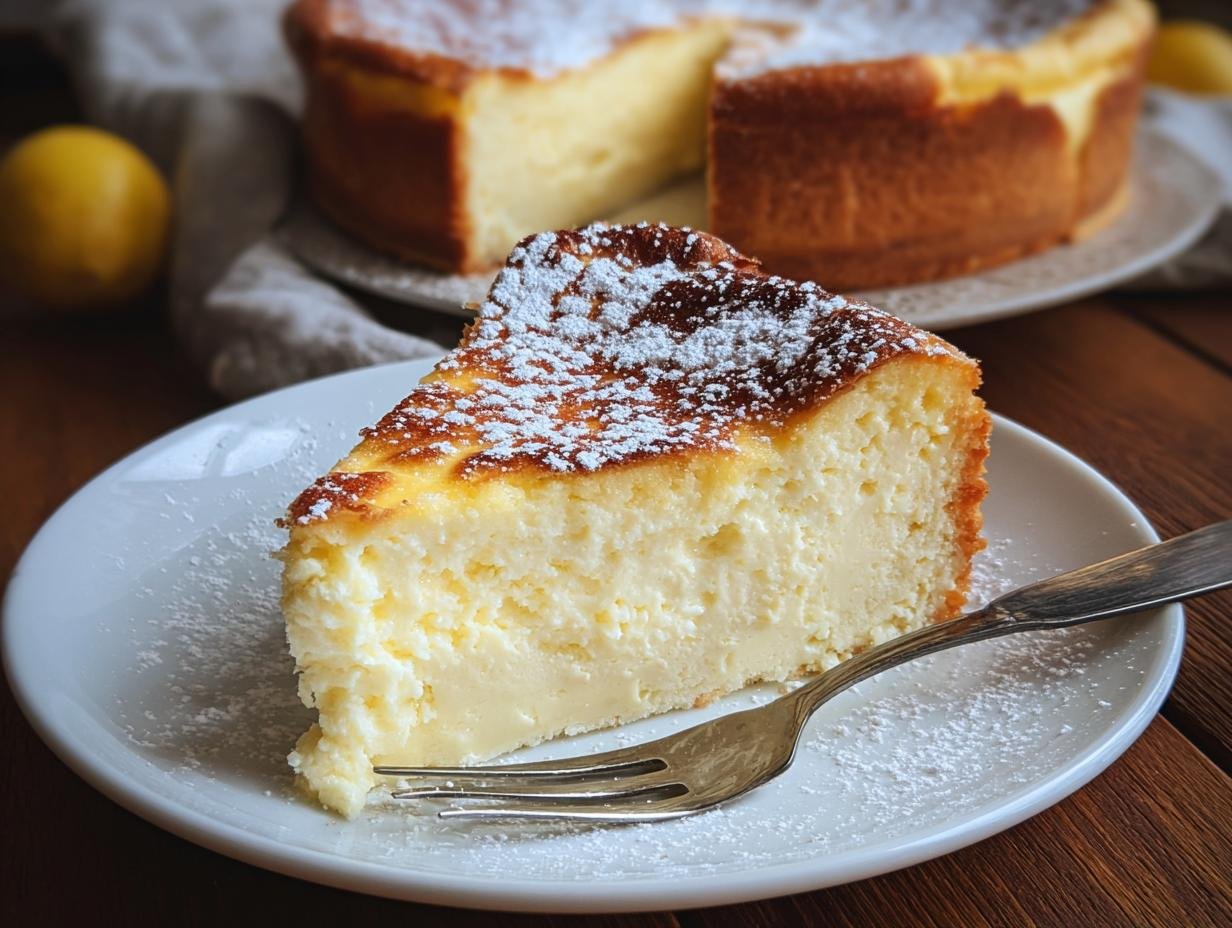
Kasekuchen German Cheesecake has a special place in my heart, reminding me of cozy Sunday afternoons at my Oma’s house. The aroma of vanilla and a hint of lemon would fill her kitchen as this rich, creamy dessert baked to golden perfection. It’s not like the dense American cheesecakes; this is an authentic German cheesecake, wonderfully light and subtly sweet, with a tender, buttery crust. I’ve tried countless recipes over the years, but this one truly captures that nostalgic magic. Get ready to impress your friends and family with this delightful treat. Let’s get baking!
Why You’ll Love This Kasekuchen German Cheesecake
You’re going to adore this recipe for so many reasons. It’s incredibly simple to bring together, making it perfect even for beginner bakers. The texture is wonderfully light and creamy, a delightful contrast to denser cheesecakes. Plus, the distinct flavor from the quark makes this German quark cheesecake truly special. It’s versatile enough for everyday enjoyment or a fancy dessert spread. You’ll appreciate its subtle sweetness and the satisfying buttery crust. This German quark cheesecake is a guaranteed crowd-pleaser that’s surprisingly straightforward to master, offering a taste of authentic German baking right in your own kitchen.
Ingredients for Kasekuchen German Cheesecake
Gathering the right Kasekuchen ingredients is key to achieving that classic German flavor and texture. This recipe uses simple pantry staples along with quark, which is the heart of this dessert. If you can’t find quark, don’t worry – I’ll explain some great substitutes below!
- 200g all-purpose flour – this forms the base of our buttery crust
- 75g sugar – for a touch of sweetness in the crust
- 1 tsp baking powder – helps give the crust a nice texture
- 1 large egg – binds the crust ingredients together
- 75g cold unsalted butter, cut into cubes – essential for a flaky crust
- 1 kg quark (or well-drained farmer’s cheese or ricotta) – this is the star, providing that signature creamy, slightly tangy filling
- 250g sugar – for the perfect balance of sweetness in the filling
- 1 packet vanilla pudding powder (or 40g cornstarch) – this acts as a thickener for the creamy filling
- 1 tsp vanilla extract – enhances the overall flavor
- 4 large eggs – essential for binding and richness in the filling
- 100g unsalted butter, melted – adds richness and helps create a smooth filling
- 200 ml milk – helps achieve the perfect creamy consistency
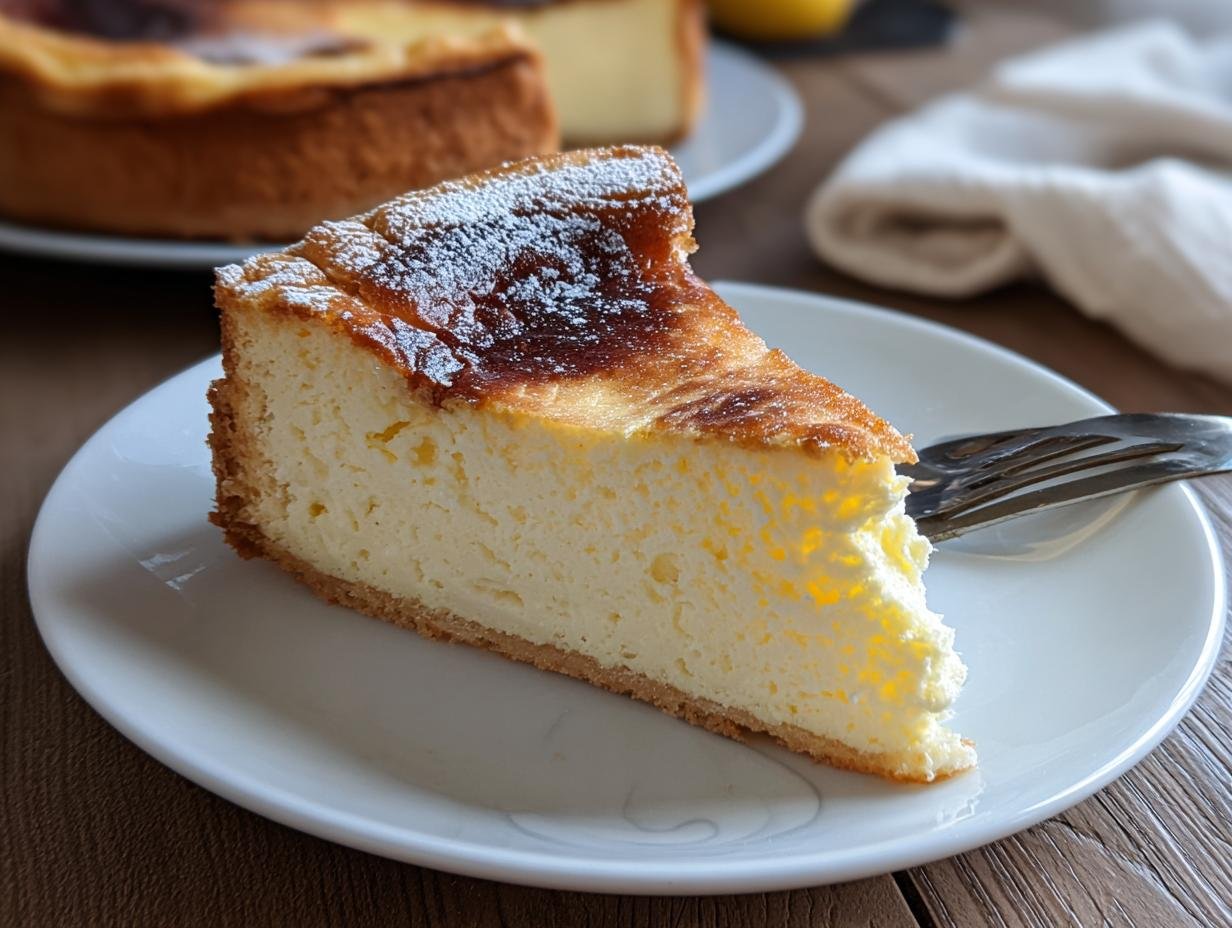
How to Make Kasekuchen German Cheesecake
Follow these simple steps to create your own delicious Kasekuchen German Cheesecake. This process is straightforward and yields a wonderfully creamy dessert.
- Step 1: Preheat your oven to 175°C (350°F). Take a 26cm (10 inch) springform pan and grease it thoroughly. This ensures your beautiful cake won’t stick.
- Step 2: For the crust, whisk together the 200g all-purpose flour, 75g sugar, and 1 tsp baking powder in a bowl. Add the 1 large egg and the 75g cold unsalted butter. Knead everything with your hands until it forms a smooth, cohesive dough.
- Step 3: Press this dough evenly into the bottom of the prepared springform pan. Make sure to bring it up slightly along the sides to form a thin crust wall. Place the pan in the refrigerator to chill while you prepare the filling.
- Step 4: Now, let’s make the filling! In a large bowl, combine the 1 kg quark (or your chosen substitute), 250g sugar, 1 packet vanilla pudding powder (or cornstarch), and 1 tsp vanilla extract. Mix until everything is delightfully smooth.
- Step 5: Add the 4 large eggs to the quark mixture, one at a time. Mix well after each addition to ensure they are fully incorporated.
- Step 6: Gently stir in the 100g melted butter and 200 ml milk. Continue mixing until you have a perfectly smooth, creamy batter. This is the heart of your Kasekuchen German Cheesecake.
- Step 7: Pour this luscious filling over the chilled crust in the springform pan. Gently smooth the top with a spatula so it’s even.
- Step 8: Bake for approximately 60 minutes. You’ll know it’s ready when the center is just set and the top has a lovely golden-brown hue. The aroma filling your kitchen will be heavenly!
- Step 9: Turn off the oven. Leave the oven door slightly ajar and let the Kasekuchen cool inside for about 1 hour. This slow cooling process is crucial for preventing cracks.
- Step 10: Carefully remove the cake from the oven. Let it cool completely on a wire rack before chilling it in the refrigerator for several hours, or ideally, overnight. This chilling step is essential for the best texture and flavor of your German cheesecake. Learning how to make Kasekuchen this way ensures a beautiful result every time.
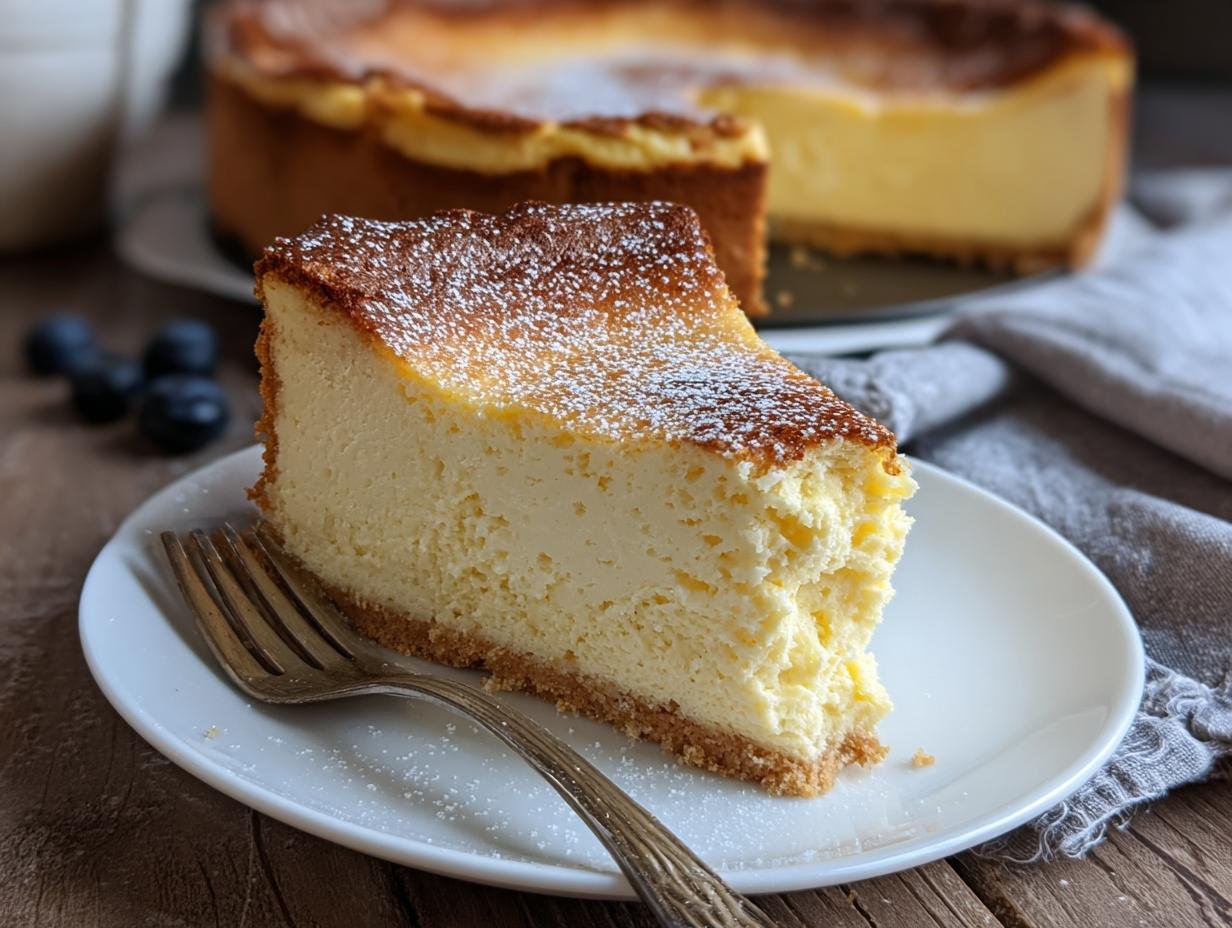
Pro Tips for the Best Kasekuchen German Cheesecake
I’ve learned a few tricks over the years that really elevate this classic dessert. Following these simple tips will help you achieve that perfect texture and stunning presentation every time you bake this Kasekuchen German Cheesecake.
- Always use full-fat quark for the creamiest, richest filling. Low-fat versions can result in a watery texture.
- Don’t overmix the filling once the eggs are added, as this can incorporate too much air and lead to cracking.
- Letting the cake cool slowly in the oven is non-negotiable for a smooth, crack-free top.
- Chill the dough for the crust for at least 30 minutes before pressing it into the pan; this makes it easier to handle.
What’s the secret to perfect Kasekuchen German Cheesecake?
The real secret lies in the cooling process. A slow, gradual cooling in the oven prevents sudden temperature changes that cause cracks. This technique is a cornerstone of any traditional German cheesecake recipe. For more on baking science, check out testing the elements.
Can I make Kasekuchen German Cheesecake ahead of time?
Absolutely! Honestly, this cake tastes even better after chilling overnight. You can prepare the entire cake, let it cool completely, and then refrigerate it. Baking a German cheesecake ahead of time makes it perfect for parties.
How do I avoid common mistakes with Kasekuchen German Cheesecake?
The most common mistake is overmixing the filling, which leads to cracks. Also, ensure your quark is well-drained, as excess moisture can make the German cheesecake with quark watery. Avoid opening the oven door too much during baking. For more tips on baking, consider reading about the beauty of food.
Best Ways to Serve Kasekuchen German Cheesecake
Presenting your beautiful Kasekuchen German Cheesecake is almost as enjoyable as eating it! This cake is wonderfully versatile. For simple elegance, a dusting of powdered sugar right before serving is all you need. My favorite way to enjoy it is with a dollop of fresh whipped cream and a scattering of seasonal berries – think plump raspberries or tart cherries. These add a lovely freshness that complements the rich, creamy filling. For a more traditional experience, consider serving it with a side of stewed rhubarb or a light fruit compote. These German cheesecake serving suggestions highlight the cake’s subtle sweetness and creamy texture beautifully. If you enjoy fruit-based desserts, you might also like our berry crumble with fresh berries.
Nutrition Facts for Kasekuchen German Cheesecake
Here are the estimated nutritional values for a typical slice of this delicious Kasekuchen German Cheesecake. Remember that these numbers can vary slightly based on the specific ingredients you use, especially the fat content of your quark or cheese substitute.
- Serving Size: 1 slice
- Calories: 310
- Fat: 18g
- Saturated Fat: 10g
- Unsaturated Fat: 6g
- Trans Fat: 0g
- Carbohydrates: 28g
- Fiber: 0g
- Sugar: 22g
- Protein: 9g
- Cholesterol: 95mg
- Sodium: 160mg
Nutritional values are estimates and may vary based on specific ingredients used.
How to Store and Reheat Kasekuchen German Cheesecake
Properly storing your Kasekuchen ensures it stays delicious for days! Once your Kasekuchen German Cheesecake has cooled completely on the wire rack (this is crucial – never store a warm cake!), wrap it tightly. I usually use plastic wrap directly on the surface to prevent drying, followed by a layer of aluminum foil or an airtight container. This keeps the moisture locked in and protects it from absorbing fridge odors.
You can store your Kasekuchen in the refrigerator for about 3 to 4 days. This allows the flavors to meld even further, making it a perfect make-ahead dessert. If you want to keep it longer, freezing is an excellent option for this easy Kasekuchen recipe. Wrap individual slices or the whole cake securely in plastic wrap and then in foil, and freeze for up to 3 months. Thaw overnight in the refrigerator before serving.
Reheating is simple! If serving chilled, no reheating is needed. If you prefer it slightly warmer, you can gently warm slices in a low oven (around 150°C/300°F) for about 10-15 minutes, or microwave on low power for 20-30 seconds. Enjoy your perfectly preserved German cheesecake!
Frequently Asked Questions About Kasekuchen German Cheesecake
What is Kasekuchen?
Kasekuchen is the traditional German term for cheesecake. Unlike its American counterpart, which is often dense and creamy with a graham cracker crust, a classic German cheesecake typically features a lighter, fluffier filling made with quark, a type of fresh, unripened cheese. This makes the texture wonderfully smooth and slightly tangy. It’s a beloved dessert across Germany, enjoyed for its delicate flavor and satisfying richness.
What is the difference between German cheesecake and American cheesecake?
The biggest difference lies in the cheese used and the resulting texture. American cheesecake usually relies on cream cheese, leading to a dense, rich, and often very creamy result, frequently baked in a water bath. A traditional German cheesecake vs American cheesecake comparison shows that Kasekuchen uses quark, which is lower in fat and has a tangier flavor, creating a lighter, more cake-like texture. The crusts can also differ, with German versions often having a shortbread-style base.
Can I use cream cheese instead of quark for my Kasekuchen German Cheesecake?
While you *can* substitute cream cheese for quark in a pinch, your Kasekuchen won’t be quite the same. Using cream cheese will result in a denser, richer cake, more akin to an American-style cheesecake. To get the authentic light and slightly tangy flavor, it’s best to find quark or a well-drained farmer’s cheese or ricotta. If you do use cream cheese, you might need to adjust the other liquid ingredients slightly.
Why is my Kasekuchen German Cheesecake sinking or cracking?
Sinking and cracking are common issues, but usually preventable! Sinking often happens when the cake cools too quickly. Always follow the instructions to cool it slowly in the oven with the door ajar. Cracking can occur from overmixing the batter, especially after adding eggs, or from sudden temperature changes. Using quark that isn’t fully drained can also contribute to a less stable cake. Patience during the cooling process is key for a beautiful, smooth finish. For more on baking, you might find sustainable farming practices interesting.
Variations of Kasekuchen German Cheesecake You Can Try
While this classic recipe is divine, there are so many fun ways to customize your Kasekuchen! Exploring these variations allows you to tailor this beloved dessert to your preferences. You can create a lighter, more cake-like experience with a truly German baked cheesecake, or add a burst of fruity flavor.
- Lemon Zest Kasekuchen: For a brighter, more zesty flavor, add the zest of one lemon to the quark filling. This cuts through the richness beautifully and is a simple yet effective flavor boost.
- Fruit-Topped Kasekuchen: Top your cooled cheesecake with a vibrant German fruit cheesecake layer. Think a simple cherry compote, fresh berries, or even a rhubarb topping for a tart contrast.
- Chocolate Swirl Kasekuchen: Melt some dark chocolate and swirl it gently into the quark filling before baking for a decadent chocolatey twist on the traditional German dessert.
- Vegan Kasekuchen: With a few clever substitutions like plant-based quark alternatives, vegan butter, and a flax egg, you can create a delicious dairy-free version that still captures the essence of this classic cake.
Kasekuchen German Cheesecake: 1 Amazing Recipe
This traditional Käsekuchen is a classic German cheesecake. It features a creamy quark filling and a buttery crust. The cake is light, not overly sweet, and perfect for any occasion. It’s an elegant yet approachable dessert.
- Prep Time: 20 minutes
- Cook Time: 60 minutes
- Total Time: 1 hour 20 minutes
- Yield: 12 slices 1x
- Category: Dessert
- Method: Baking
- Cuisine: German
- Diet: Vegetarian
Ingredients
- For the crust: 200g all-purpose flour
- 75g sugar
- 1 tsp baking powder
- 1 egg
- 75g cold unsalted butter
- For the filling: 1 kg quark (or farmer’s cheese or ricotta)
- 250g sugar
- 1 packet vanilla pudding powder (or 40g cornstarch)
- 1 tsp vanilla extract
- 4 eggs
- 100g melted butter
- 200 ml milk
Instructions
- Preheat your oven to 175°C (350°F). Grease a 26cm (10 inch) springform pan.
- In a bowl, mix flour, sugar, and baking powder. Add the egg and cold butter, then knead into a smooth dough.
- Press the dough into the bottom and slightly up the sides of the springform pan. Chill while preparing the filling.
- In a large bowl, combine quark, sugar, vanilla pudding powder (or cornstarch), and vanilla extract. Mix until smooth.
- Add eggs one at a time, mixing well after each addition.
- Add melted butter and milk, and mix until fully combined and smooth. This is your German cheesecake filling.
- Pour the filling into the crust-lined pan and smooth the top.
- Bake for about 60 minutes, or until the center is just set and the top is golden.
- Turn off the oven and let the Käsekuchen cool inside with the door slightly open for 1 hour to prevent cracking.
- Remove from the oven and chill in the refrigerator for several hours or overnight before serving your German cheesecake.
Notes
- If quark is unavailable, substitute with well-drained ricotta or farmer’s cheese.
- Letting the cake cool in the oven prevents cracks.
- This German cheesecake tastes even better the next day after chilling overnight.
Nutrition
- Serving Size: 1 slice
- Calories: 310
- Sugar: 22g
- Sodium: 160mg
- Fat: 18g
- Saturated Fat: 10g
- Unsaturated Fat: 6g
- Trans Fat: 0g
- Carbohydrates: 28g
- Fiber: 0g
- Protein: 9g
- Cholesterol: 95mg








Leave a Reply